
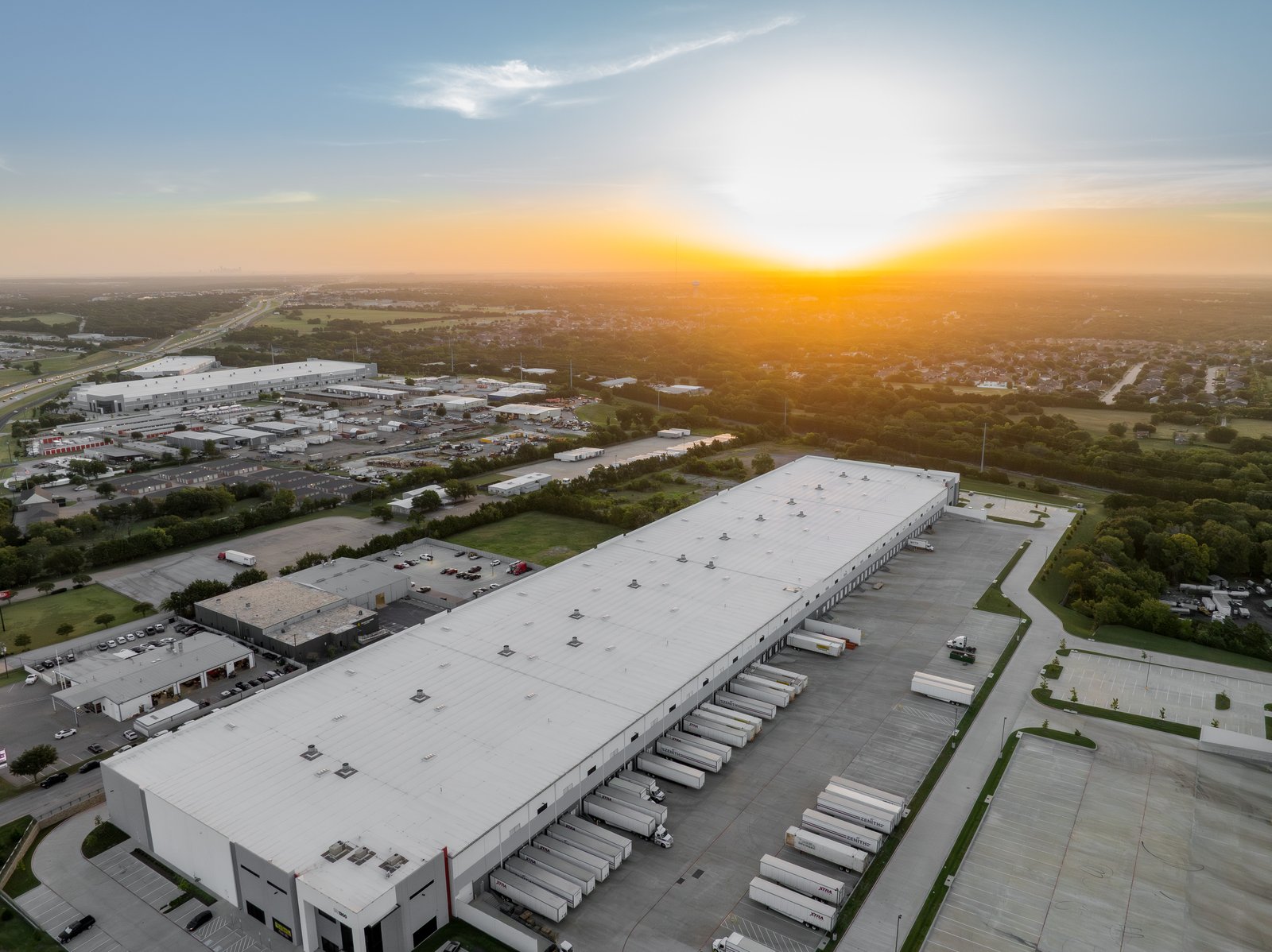
Amazon FBA Prep in Dallas: What to Look for in a Texas-Based Partner
If you're selling on Amazon and shipping inventory to FBA, your prep service is either saving you money and headaches — or it's the reason your shipments keep getting rejected. Here's how to find the right Amazon FBA prep partner in Dallas.
I'll be straight with you: Amazon does not care about your feelings. They care about compliance. Every single unit you send to an FBA fulfillment center has to meet their exact specifications — labeling, poly-bagging, bundling, box dimensions, suffocation warnings, the works. Miss one step, and your inventory gets rejected. Or worse, it gets received, and then you start eating fees and getting dinged on your account health. I've watched brand owners lose weeks of sales because a prep service cut corners on something as basic as a barcode placement. That's why I take FBA prep seriously at KTX — because your business depends on it.
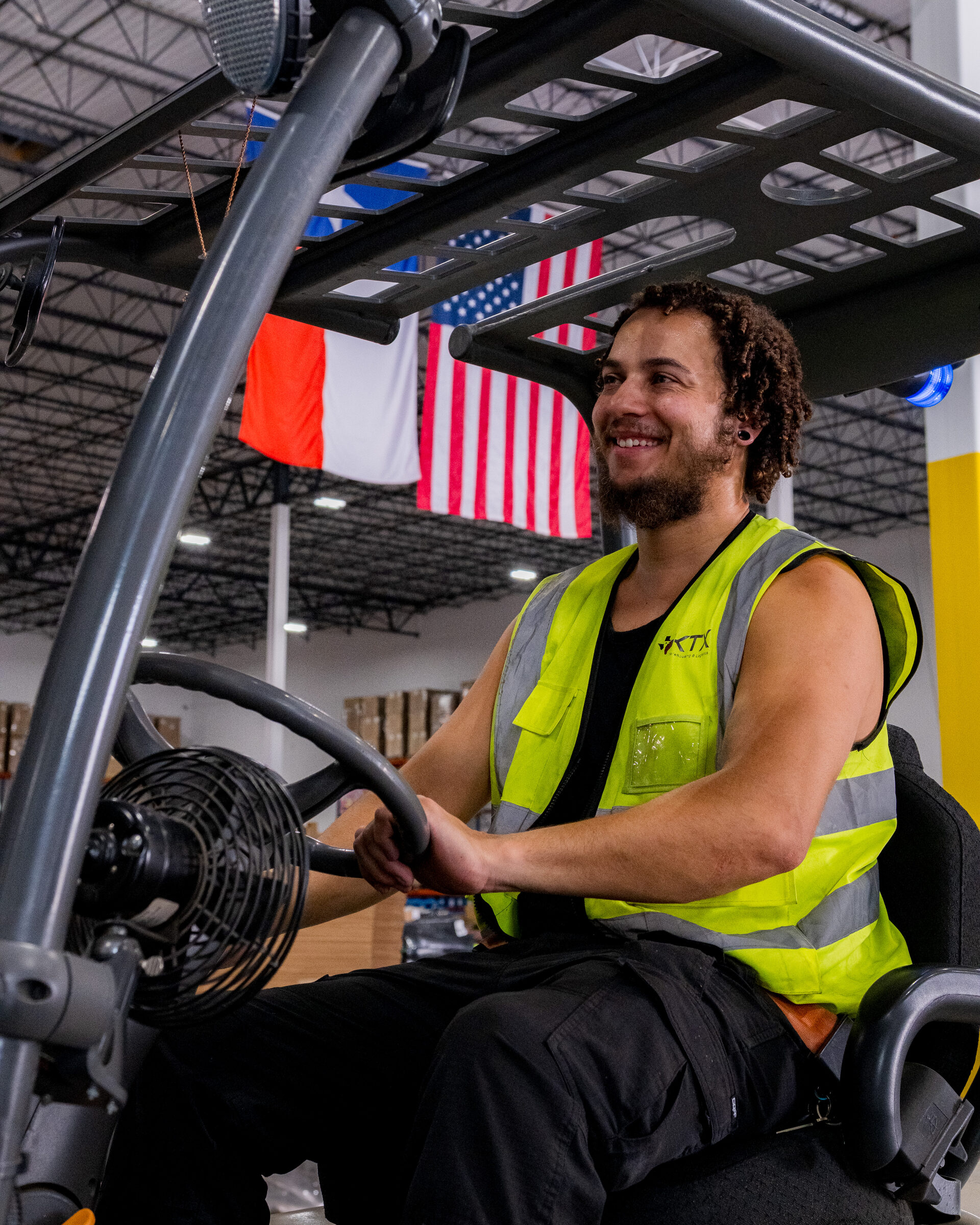
What FBA Prep Actually Involves (It's More Than Slapping a Label On)
A lot of brand owners think FBA prep is just "put a label on it and ship it." I wish. Here's what a real prep workflow looks like:
- FNSKU labeling — Every unit needs the correct Amazon barcode, placed in the right spot, covering any existing UPC if required. One wrong label and that unit is unscannable.
- Poly-bagging — Anything with a surface that could get damaged, or any product with a loose opening, needs a sealed poly bag with a suffocation warning. Amazon specifies bag thickness, too.
- Bundling and kitting — If you're selling multipacks or bundled sets, those need to be assembled, labeled as a single unit, and prepped so Amazon's warehouse staff doesn't accidentally split them.
- Bubble wrap and overboxing — Fragile items need protection that meets Amazon's standards, not just "seems fine to me" padding.
- Box-level compliance — Weight limits, dimension limits, box content labels, pallet configurations. Amazon updates these rules regularly, and your prep service needs to keep up.
We handle all of this at KTX across our DFW facilities. Our team preps thousands of units per week and we maintain 99%+ accuracy on compliance — because getting it wrong isn't just inconvenient, it's expensive.
Why Amazon's Requirements Are Strict (And Getting Stricter)
Amazon runs the most sophisticated fulfillment operation on the planet. Their warehouses are designed for speed, and that means every unit needs to be scannable, stackable, and identifiable the instant it arrives. When a unit doesn't comply, it slows down their entire system. So they reject it, charge you fees, or both.
In the last couple years, Amazon has tightened up on things like carton-level labeling requirements, shipment weight caps, and how they handle commingled inventory. If your prep service is still running off rules from 2022, you're going to have problems. At KTX, we stay current on every Amazon guideline update. It's not glamorous work, but it's the difference between your inventory going live and your inventory sitting in limbo.
How a Bad Prep Service Gets Your Inventory Rejected
Let me tell you the most common things I see when brand owners come to us after a bad experience with another prep service:
- Wrong FNSKU labels. The prep service used the manufacturer barcode instead of the Amazon-specific one, or put the label in the wrong orientation. Amazon rejects the whole shipment.
- No suffocation warnings on poly bags. This is a legal requirement, not a suggestion. Amazon will refuse the inventory.
- Overweight boxes. Amazon has a 50-pound limit per box. Exceed it and the shipment gets kicked back, and you eat the return freight.
- Sloppy bundling. If a multipack isn't properly sealed and labeled, Amazon may receive it as individual units instead of a bundle. Now your listing is wrong, your inventory count is off, and customers are getting the wrong thing.
- Late turnaround. You created a shipping plan with a delivery window. Your prep service took too long. Amazon closes the window. Now you have to create a new plan, pay new fees, and you've lost a week of sales.
Every one of these is avoidable with a prep service that actually knows what they're doing. At KTX, we turn FBA prep around same-day in most cases. We don't let inventory sit.
The DFW Geography Advantage
Here's something a lot of sellers don't think about: where your prep service is located relative to Amazon's fulfillment centers matters. A lot. DFW is one of the most concentrated Amazon FC markets in the country. There are multiple receive centers within a couple hours of our facilities in Cedar Hill, Arlington, and Waxahachie.
That means shorter transit times, lower freight costs, and faster check-in at the FC. If you're working with a prep service on the coast and shipping to a Texas FC, you're paying for days of transit that you didn't need to. Being local to the network cuts your lead time and gets your inventory live faster. I started KTX with one 16-foot box truck right here in DFW in 2020, and the geography advantage was something I understood from day one.
What to Look for in a Local FBA Prep Partner
If you're evaluating Amazon FBA prep services in Dallas, here's my honest checklist:
- Accuracy rate above 99%. Ask for it. If they can't give you a number, that's your answer.
- Same-day or next-day turnaround. Inventory sitting on a shelf isn't making you money.
- Real-time visibility. You should be able to see what's been prepped, what's pending, and what's shipped. We use Warehance as our WMS and clients get live dashboards.
- A person you can actually call. Not a ticket system. Not a chatbot. A person. At KTX, every client gets a dedicated account rep, and I'm personally reachable — even on weekends if something urgent comes up.
- They stay current on Amazon's rules. Ask when they last updated their prep SOPs. If they hesitate, walk.
- They handle both FBA and FBM. Your strategy might shift. Your prep partner should be able to handle both without you having to switch providers.
If you're comparing options, I put together a more detailed breakdown on how to choose a 3PL in Dallas that covers the bigger picture beyond just FBA prep.
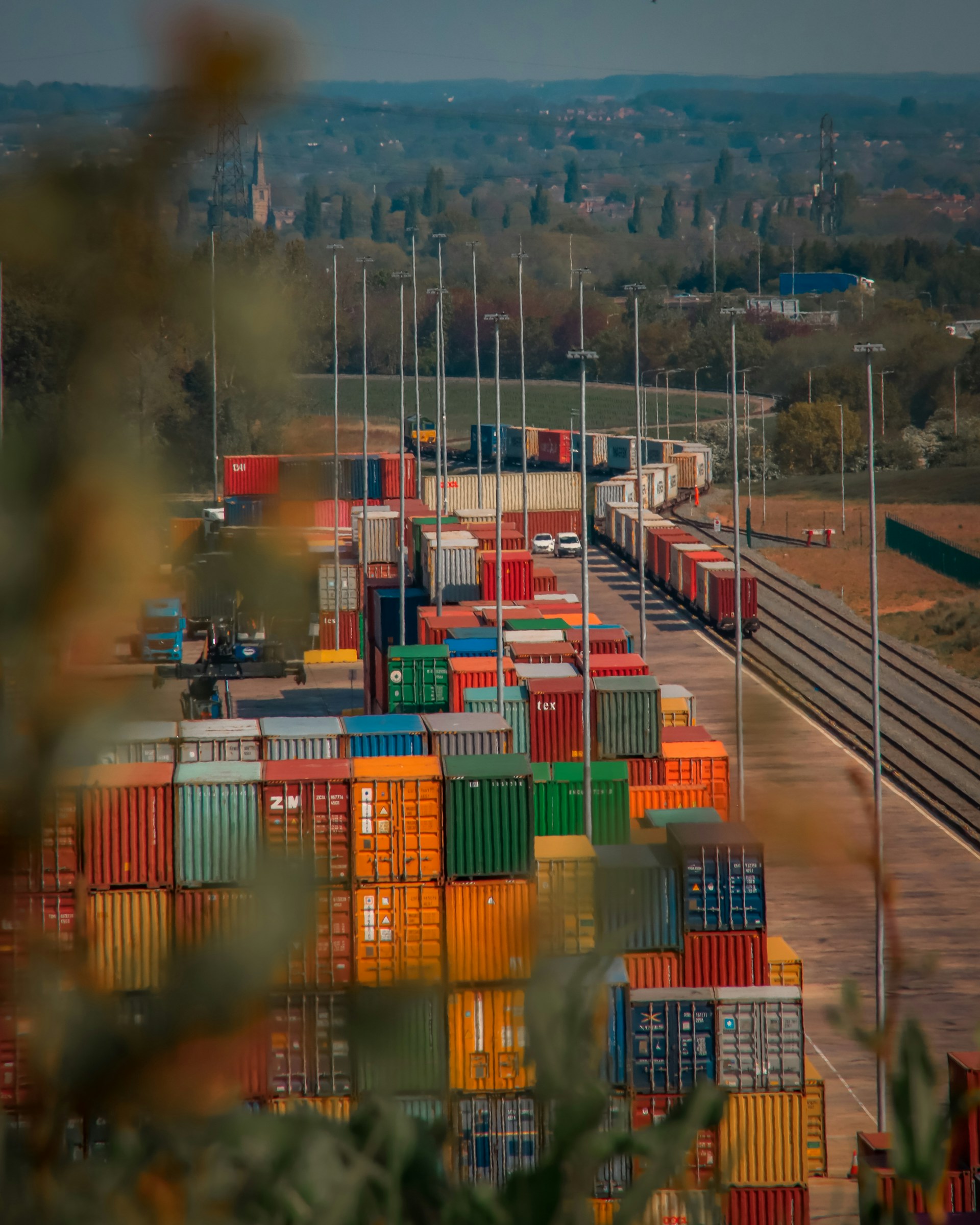
Why Brands Choose KTX for FBA Prep
We're not the biggest 3PL in Texas. We're not trying to be. What we are is a team of people who actually care whether your shipments get accepted. We've got 500,000+ square feet across three DFW facilities, a 99%+ accuracy rate, and same-day turnaround on FBA prep. We handle labeling, poly-bagging, bundling, kitting, overboxing — all of it, to Amazon's current specs.
But honestly, the thing I hear most from clients who switched to us isn't about the accuracy or the speed. It's that they can pick up the phone and talk to someone. That's how I built this company — one box truck, one handshake at a time — and that's how we still operate at 500,000 square feet.
If you're looking for an FBA prep partner in Dallas who won't ghost you when something goes sideways, let's talk. I'll walk you through exactly how we'd handle your prep, and I'll be honest about whether we're the right fit.
Frequently Asked Questions
How much does Amazon FBA prep cost in Dallas?
Pricing varies depending on the type of prep — basic labeling is less expensive than full kitting or bundling. At KTX, we quote per unit based on the complexity of the work involved. Most clients land somewhere between $0.50 and $2.50 per unit depending on what's needed. We'll give you a straight quote after we understand your SKU count and prep requirements. No hidden fees, no surprise surcharges at the end of the month.
How fast can KTX turn around FBA prep?
Same-day in most cases. If your inventory arrives at our facility in the morning, we can have it prepped, labeled, and ready to ship to Amazon by end of day. For larger shipments — we're talking pallets, not parcels — turnaround is typically 24 to 48 hours. We don't let inventory sit around. Every day it's on our shelf instead of Amazon's shelf is a day you're not making sales.
What happens if Amazon rejects a shipment that KTX prepped?
If we made the error, we fix it at no additional cost. Period. That's the deal. We maintain 99%+ compliance accuracy specifically because rejections are expensive — for you and for us. When a rejection does happen (usually due to an Amazon-side issue or a last-minute guideline change), we'll handle the rework and get it reshipped as fast as possible. You'll know what happened and why.
Can KTX handle both FBA and FBM fulfillment?
Yes. A lot of our clients run a hybrid strategy — some SKUs go to FBA for Prime eligibility, others ship direct to customers via FBM (Fulfilled by Merchant). We handle both under one roof. That means one inventory pool, one WMS dashboard, one account rep. You don't need two providers. If your strategy shifts mid-quarter, we shift with you.
Do I need to be in Dallas to use KTX for FBA prep?
Not at all. We have clients shipping inventory to us from all over the country. You send your product to one of our DFW facilities, and we handle everything from there — receiving, inspection, prep, labeling, and shipment to the Amazon FC. You get real-time visibility through our Warehance WMS portal, so you can see exactly what's happening with your inventory whether you're in Dallas, Denver, or Miami.
What's the minimum volume for FBA prep at KTX?
We don't have a hard minimum, but FBA prep makes the most financial sense when you're shipping at least a few hundred units per month. If you're doing 20 units a week, you can probably handle that in your garage. Once you're past that point — once prep is eating into time you should be spending on product development and marketing — that's when it makes sense to bring in a partner. We'll be honest with you about where that line is.
